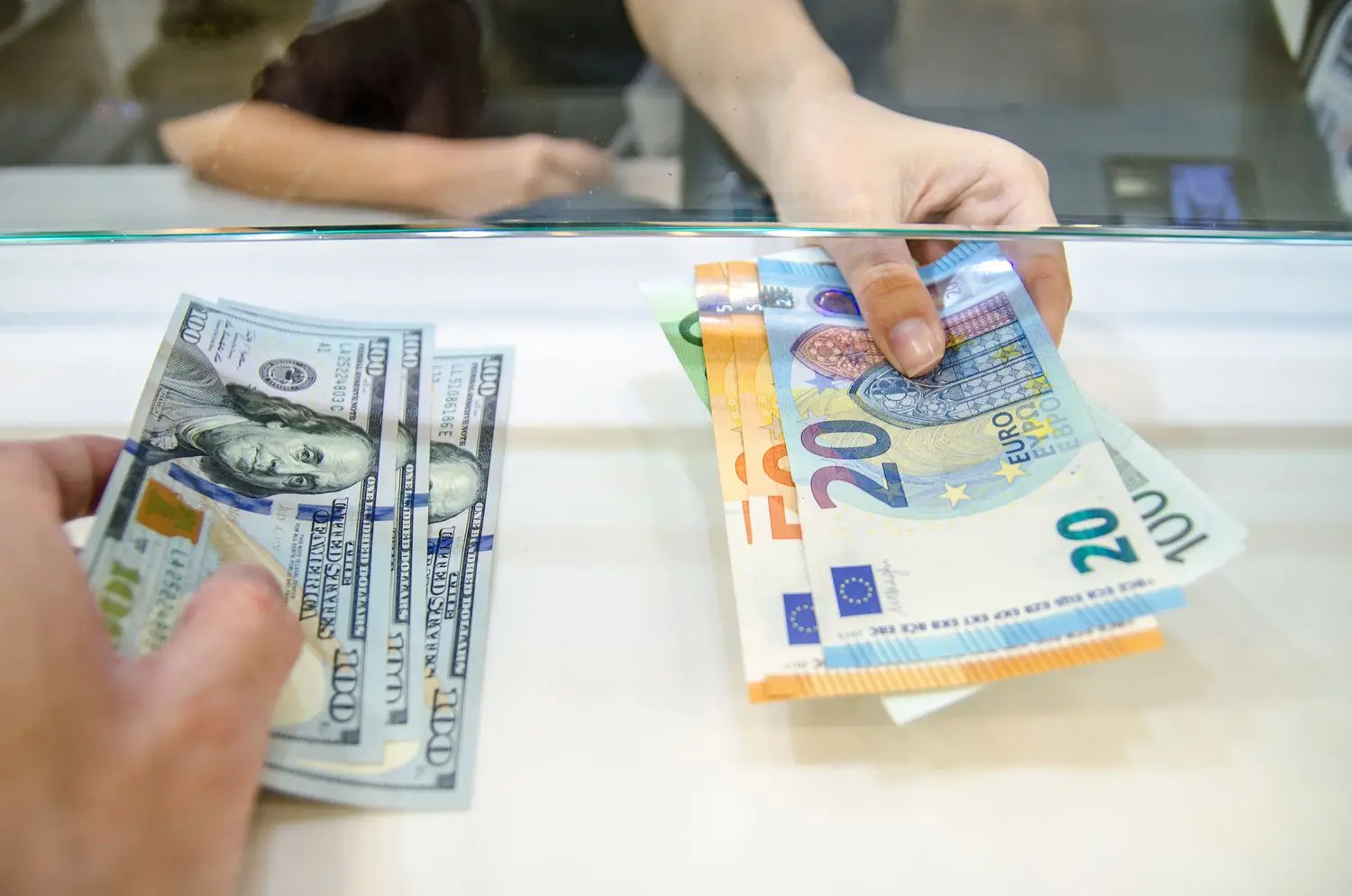
Handling money transactions in Pakistan requires proper documentation to ensure a smooth process. Banks and licensed exchange companies follow strict currency exchange rules to prevent fraud and protect customers. Missing or incorrect paperwork can cause delays or rejections. Knowing the required documents helps make sending money abroad or exchanging foreign currency safe, efficient, and fully compliant.
Why Documentation Matters
Every time a person wants to exchange currency or send money abroad, Pakistan’s financial laws must be followed. These laws require authorized institutions to check customer identity, verify transaction purpose, and confirm legality. Documents are used to prove who you are and why you are making the transaction. When a bank or licensed exchange company asks for paperwork, it is not trying to make things more difficult. Instead, it is protecting you and the financial system. Awareness of these requirements helps you avoid any hassles or delays.
Documents Required for Currency Exchange
When dealing with foreign currency in Pakistan, one of the main concerns customers face is knowing which paperwork is needed. Below is a breakdown of essential documentation required for different currency exchange situations.
Official Identification
One of the basic items needed for any transaction is a valid form of identification. This applies to both buying and selling foreign currency. The most common forms of ID accepted by banks and licensed exchange companies include:
- National Identity Card (NICOP) for Pakistani citizens
- Pakistan National Identity Card for Overseas Pakistanis (NICOP)
- Passport
- Resident Permit (for foreign residents)
Proof of Source of Funds
Financial institutions must know where your money originated from. This requirement aligns with global rules to prevent illegal financing. Documents that may be accepted include:
- Salary slips
- Bank statements
- Sale deeds
- Gift letters
- Legal inheritance documents
Purpose of the Transaction
In many cases, you may have to show evidence of why you need foreign currency. Examples of approved purposes include:
- Travel abroad
- Tuition fees for studying overseas
- Medical treatment abroad
- Business expenses
- Gifts or family support
Additional Volume-Based Documents
If the transaction involves a large amount of money, financial institutions may ask for additional papers. These could include tax returns or detailed income records. This is done to make sure all money entering or leaving the country meets legal standards.
Documentation Guidelines for Outward Money Transfers
Sending money out of Pakistan is known as outward remittance. This process has its own set of rules and required documents. It is important to know the requirements for outward remittance before visiting a bank or exchange company.
Valid Identification
Just like currency exchange, outward remittance always needs a valid identification document. A passport or national ID card is most often required. Some institutions may ask for both an original and a copy.
Purpose Declaration Form
To comply with Pakistan’s financial laws, remitters often fill out a purpose declaration. This form states the reason for sending money abroad. It may ask for details such as the recipient's name, the amount, and the reason for remittance. The purpose declaration form helps institutions follow currency exchange rules and ensures the transaction is lawful.
Supporting Documents
Supporting documents for remittance vary based on the reason for sending funds. Common examples include:
- Education: Admission letter and fee schedule
- Medical: Doctor’s recommendation and treatment plan
- Family Maintenance: Proof of family relationship
- Business: Contracts and invoices
Bank Forms
Banks have their own forms that must be completed for any outward remittance. These forms ask for details such as beneficiary information, bank routing codes, and the purpose of the funds. Filling these forms accurately is critical. Even minor errors can cause delays or rejections, so double-checking before submission is recommended.
Common Mistakes to Avoid
Even if you have all the required papers, mistakes during document submission are common. Knowing common errors can help you avoid unnecessary delays.
Missing or Incomplete IDs
One of the most frequent mistakes is presenting invalid or expired identification. Before visiting an exchange company or bank, check that your ID is current and legible. If outdated forms of ID are used, your transaction could be rejected.
Wrong Supporting Documents
Providing paperwork that does not clearly support your transaction purpose is another common problem. For example, boarding passes without a fee invoice may not be enough proof for travel-related requests. Always confirm with the institution which supporting documents they require for your specific case.
Not Filling Bank Forms Correctly
Banks require detailed information on remittance forms. Leaving fields blank or giving incorrect account details is a leading cause of delays. Review each form carefully and ask for help if something is unclear.
How to Prepare for Your Visit
Preparation is one of the easiest ways to complete your transaction without stress. Before visiting a bank or currency exchange outlet, make a checklist of all required papers. Call the institution ahead of time to confirm their document requirements. This saves time and avoids multiple visits.
Also, bring extra copies of all documents and make sure they are clean and readable. Many institutions will keep copies of your papers for record-keeping in compliance with currency exchange rules.
Final Thoughts
Understanding the paperwork needed for currency exchange and remittance in Pakistan helps make your financial transactions safe and compliant. Always be prepared with valid identification, proof of funds, purpose supporting documents, and completed bank forms. Meeting all requirements for outward remittance prevents delays and protects your money during the process.
When preparing your documents, keep in mind that every institution may have slightly different practices. It is best to contact your bank or licensed exchange company before you visit. Askari Currency Exchange (PVT) Limited offers hassle-free currency exchange for all your international remittance needs.